1. Make the vehicle safe
Nobody sits inside. The crew sets up protection and puts on gloves, eye protection and protective clothing.
Richgrove, CA · Tulare County
A biohazard in a vehicle should not sit in the heat or be handled bare-handed. In Richgrove, call (877) 812-4220 to have the contamination removed and the cabin sanitized.
If anyone is in danger, call 911 first. For a suicide crisis, call or text 988.
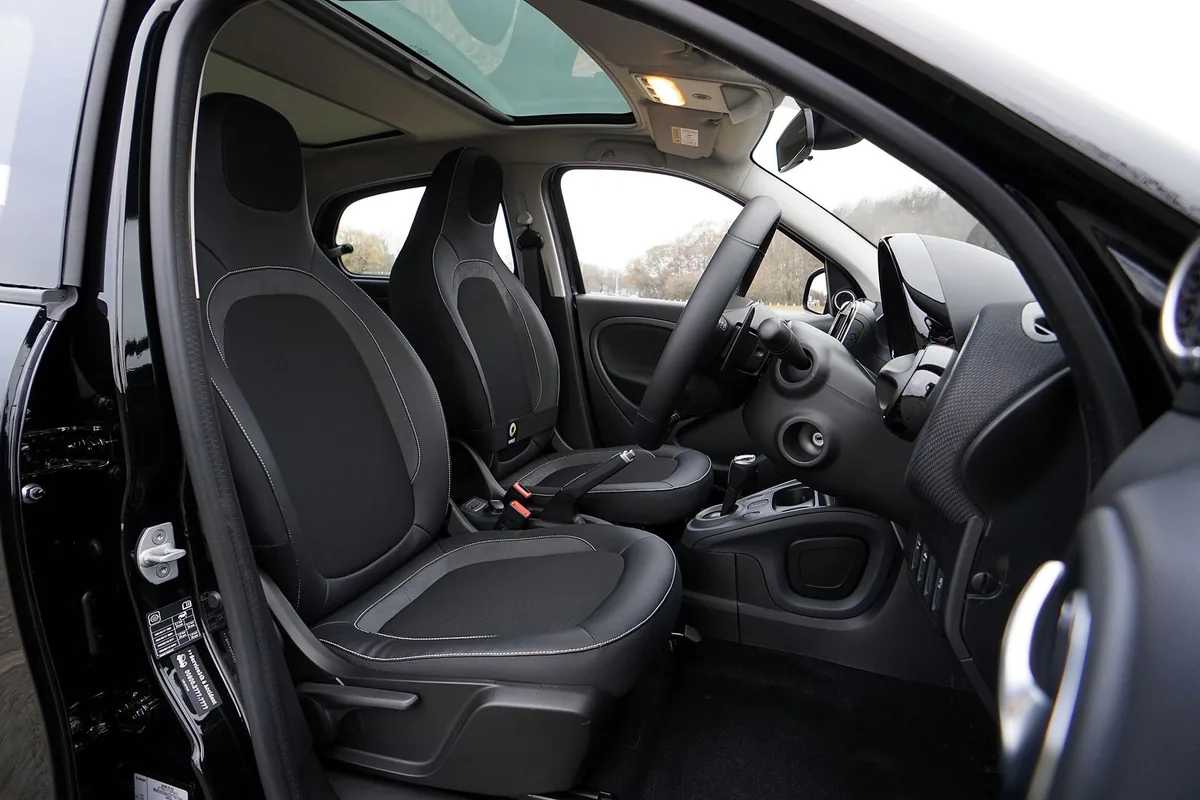
A biohazard vehicle is one that has been contaminated with blood, vomit, urine, feces or decomposition. Such a car cannot be cleaned with soap and a vacuum, because the fluids soak into foam and carpet.
Owners, adjusters, tow yards and fleet managers in Richgrove and Tulare County who need your vehicle made safe can call Richgrove Biohazard Cleanup Help for local vehicle biohazard cleanup.
Dry air in Richgrove can bake fluids into seats and carpet, so the smell may persist even when the vehicle looks clean. Vehicles that carried someone to Adventist Health Delano in Delano often have blood or fluids on the seats, and cleanup can begin once everyone is safe.
Vehicle Biohazard Cleanup in Richgrove usually includes:
Nobody sits inside. The crew sets up protection and puts on gloves, eye protection and protective clothing.
Cleaners set up protection, seal off the working area and keep people away from the vehicle.
Contamination is removed piece by piece. Surfaces get a detailed clean followed by an EPA-registered disinfectant.
Bagged waste leaves with the crew. The interior is checked and the vehicle is returned for normal use.
Most vehicle biohazard cleanup jobs in Richgrove, CA cost between $500 and $5,000, based on published cost guides.
Replacing seats, carpet or trim after removal is usually separate from the cleanup itself, so ask what the quote covers.
| Type of job | Typical range |
|---|---|
| Vehicle biohazard cleanup | $500 - $5,000 |
Published ranges only (BioCleaners Directory); every vehicle biohazard cleanup job in Richgrove is priced after an on-site look. Price drivers include type of interior materials, how serious the event was, time since the event, air system decontamination. Questions? Call (877) 812-4220.
Yes. Blood can carry bloodborne pathogens such as hepatitis B and HIV. Dried blood can still be hazardous, and enclosed cabins hold odor. That is why the area is cleaned with protection and disinfected.
It depends on the vehicle, the amount of contamination and how much has to be removed. A single stained seat is a shorter job than a cabin with fluids on many surfaces. Odor treatment can add time.
Cleaners follow rules designed to protect workers and the public from bloodborne pathogens, including the OSHA Bloodborne Pathogens Standard, 29 CFR 1910.1030. They wear PPE and use EPA-registered disinfectants.
A biohazard vehicle is a car, truck, van or bus that has been contaminated by blood, body fluids, waste or decomposition. Because these materials can carry infectious germs, the vehicle needs decontamination, not just a wash.
It refers to a vehicle damaged by a biohazard, such as blood or body fluids, or by a chemical spill. Both kinds of contamination call for protective gear and specialized cleaning. A cleanup team can tell which applies after seeing the vehicle.
Call 911 first if anyone is hurt. Keep people and pets away from the vehicle, do not drive it, and do not wipe or spray the fluids. Take photos for insurance and note what the contamination touched.
One call starts the cleanup, disinfection and disposal.
Call (877) 812-4220